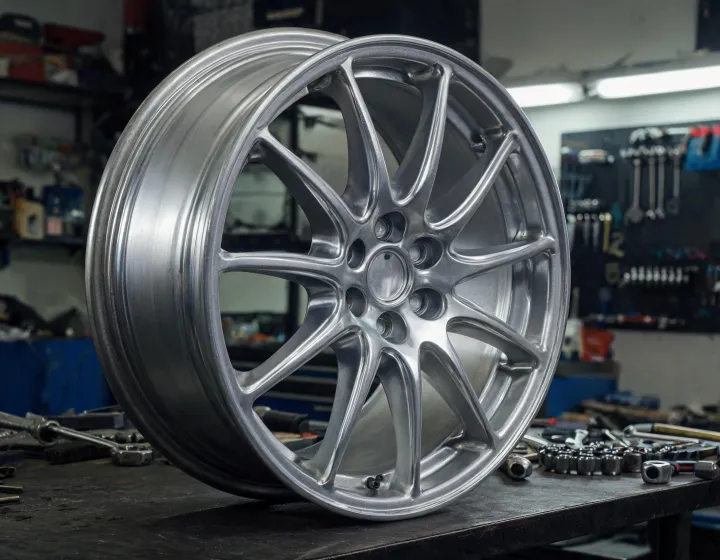
Forged wheels
Discuss geometry, load and finish for a forged alloy wheel program.
OZ S.p.A. · Wheel selection
Start with your vehicle, dimensions and intended use. We will help turn those inputs into a useful alloy wheel request.
Discuss your requirements
Discuss geometry, load and finish for a forged alloy wheel program.
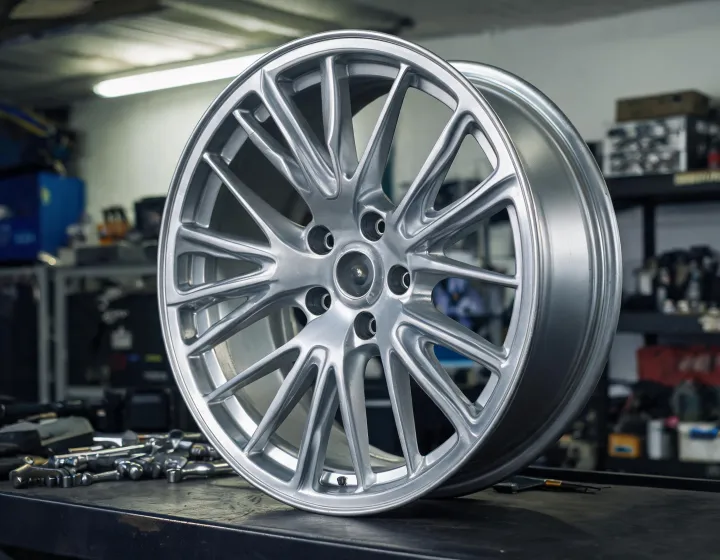
Review the application and production requirements for cast alloy wheels.
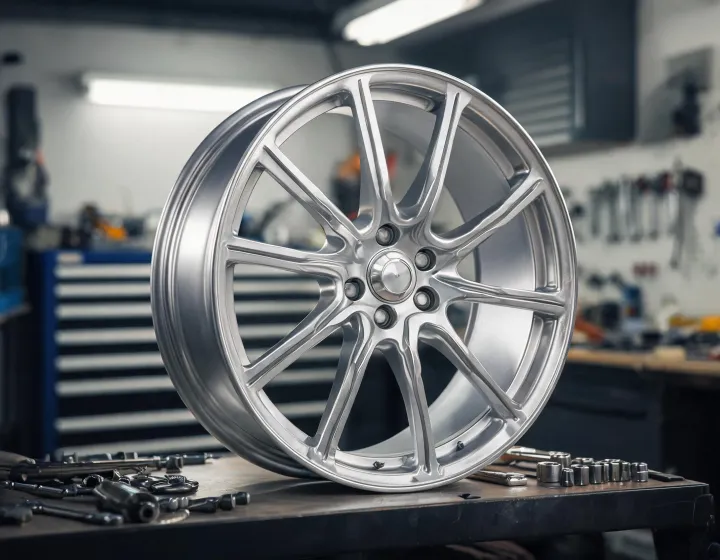
Share PCD, offset and center bore before choosing an interface.
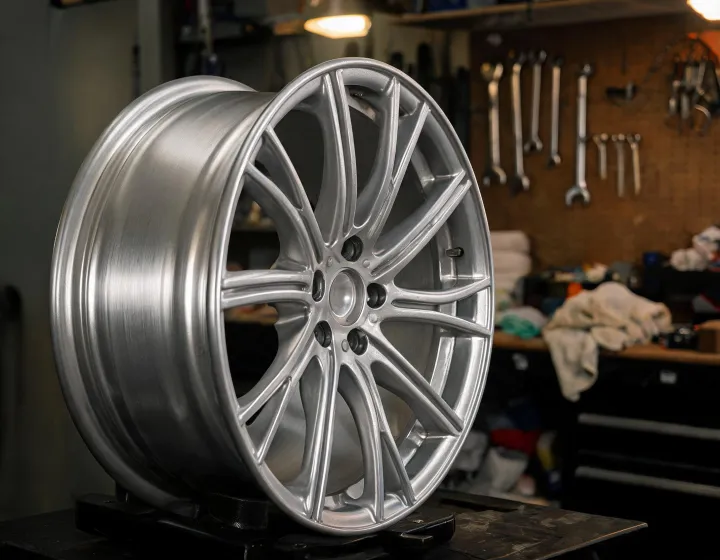
Consider coating and appearance requirements for the intended environment.
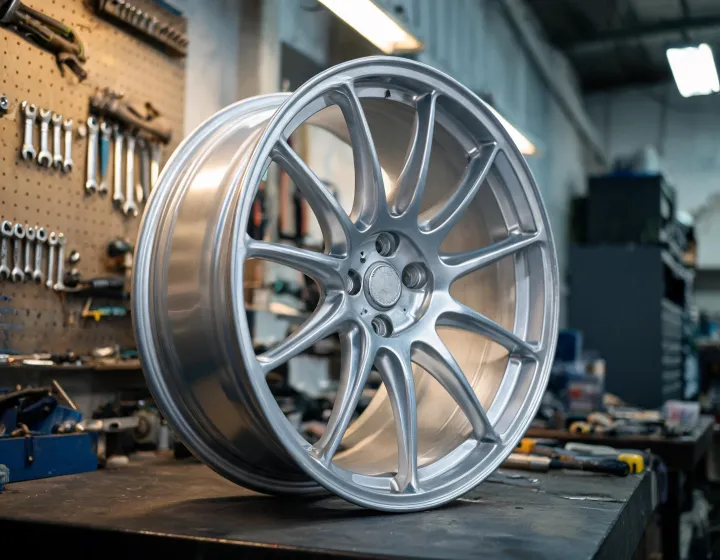
Prepare drawings, sample criteria and supply requirements for review.
Capture wheel diameter, width, PCD, offset, center bore, brake clearance and axle load before releasing a drawing.
Agree sample quantities, test methods, duty cycles and acceptance limits with the relevant engineering team.
Keep drawings, material and inspection records aligned with the approved revision and target market.
Define lot identification and change controls so that production and inspection records can be located.
Review the scope of system evidence.
Check requirements by market and wheel.
Agree methods and acceptance criteria.
Connect lots to inspection records.
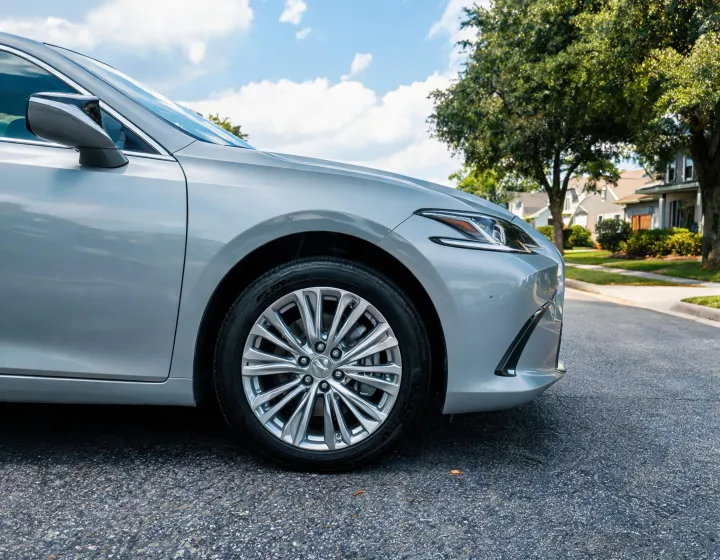
Brake clearance, axle load and tire compatibility guide the choice.
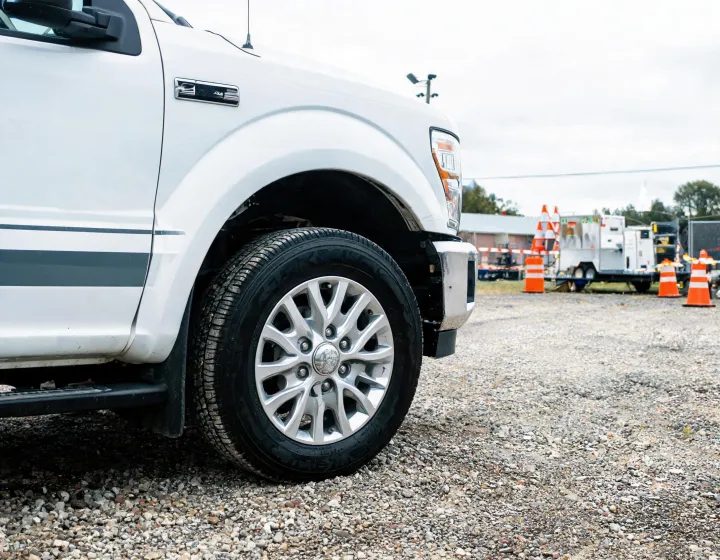
Repeatable fitment and documented changes support procurement.
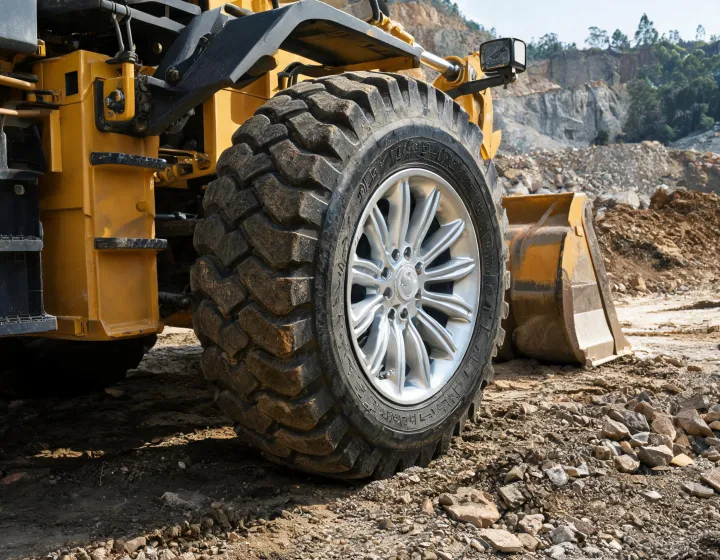
Duty cycle and load cases need a clear engineering review.

Operating conditions and applicable rules shape validation.
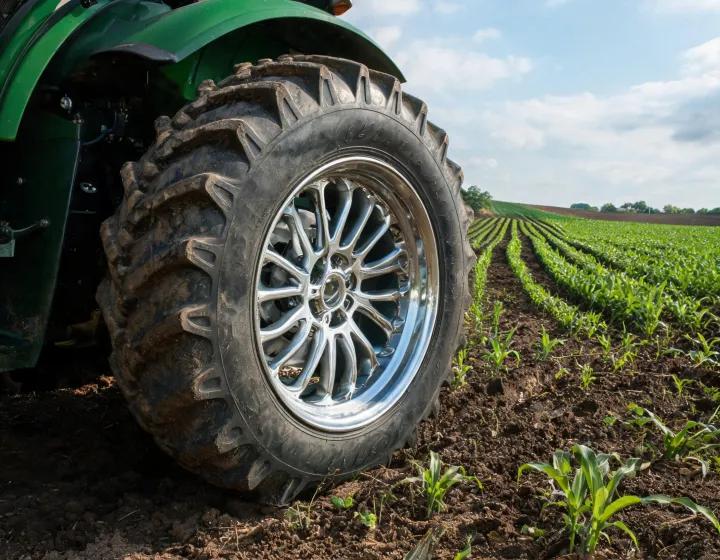
Vehicle interface and working load require careful review.
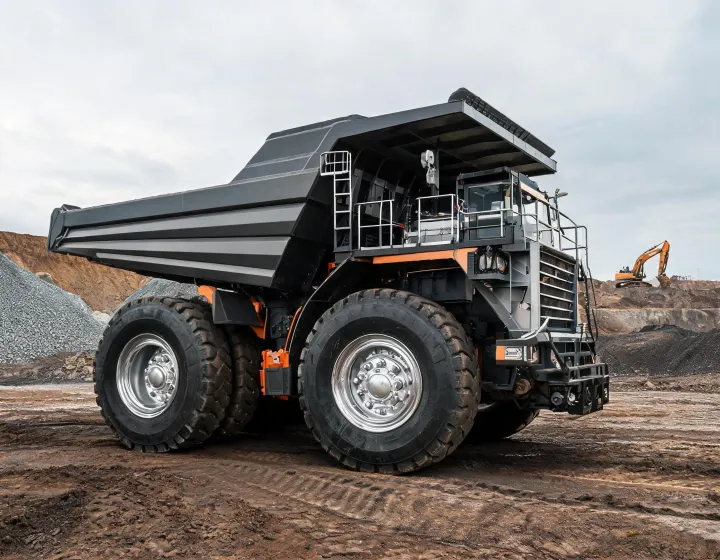
Confirm mounting geometry and operating environment.
Provide diameter, width, PCD, offset and center bore, together with vehicle and brake details.
No. Interface geometry, clearance and load must be reviewed for each application.
Requirements depend on product and destination market; request evidence for the specific wheel.
We can help organize the information needed for an engineering review.