Passenger vehicles
Brake clearance, axle load and tire compatibility guide the choice. Confirm the original vehicle configuration and any changes to brakes or suspension.
A wheel specification depends on where the vehicle works, how it is loaded and which interface it uses.
Discuss your requirements
Brake clearance, axle load and tire compatibility guide the choice. Confirm the original vehicle configuration and any changes to brakes or suspension.
Repeatable fitment and documented revisions support procurement across vehicle groups. Record the vehicles covered by each specification.
Duty cycle, surface and load cases need engineering review. Describe the vehicle and environment rather than assuming a passenger specification applies.
Operating conditions and the applicable series rules shape validation. A wheel intended for one discipline may require a separate review for another.
Vehicle interface and working load require careful review. Equipment, attachments and terrain can change the load case.
Confirm mounting geometry, operating environment and the responsible engineering authority before selecting a wheel.
Passenger use, fleet mileage and controlled motorsport use place different demands on a wheel. Record axle load, road surface, speed and exposure before agreeing test conditions. For industrial or off-highway applications, include the equipment configuration and the real operating cycle. The information supports a discussion; it does not replace application-specific engineering approval.
Identify vehicle loading, tire size and the market in which the wheel will operate. Consider corrosion exposure and the maintenance environment when discussing finish requirements.
Describe repeated loads, unusual surfaces and operating limits. Agree how the proposed validation represents the actual application before comparing test results.
A matching diameter alone does not establish fit. PCD, offset and center bore determine the mounting interface, while brake and suspension clearance need a physical or documented check. Tire compatibility and fastener seating should also be reviewed. Confirm the required load rating and applicable market rules with the responsible vehicle and wheel engineering teams. For a commercial application, steel may be considered for cost and field repair, while alloy may be considered for weight and appearance; compare the actual designs, corrosion protection and service conditions before selecting either.
For each alternative, keep the drawing revision and the assumptions used to evaluate it. Do not infer a regulatory approval from a quality system certificate: request the relevant evidence for the specific product and destination market.
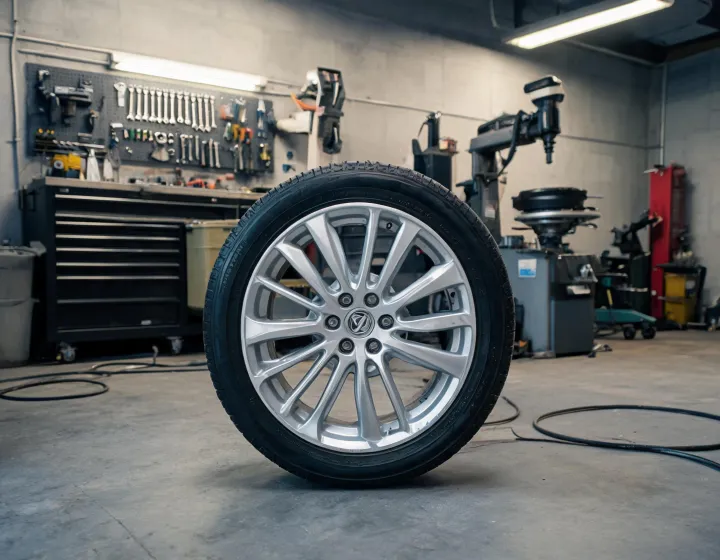
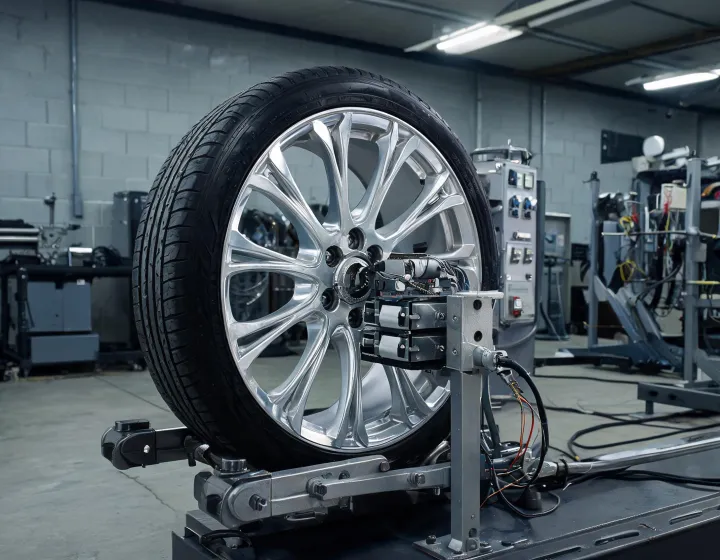
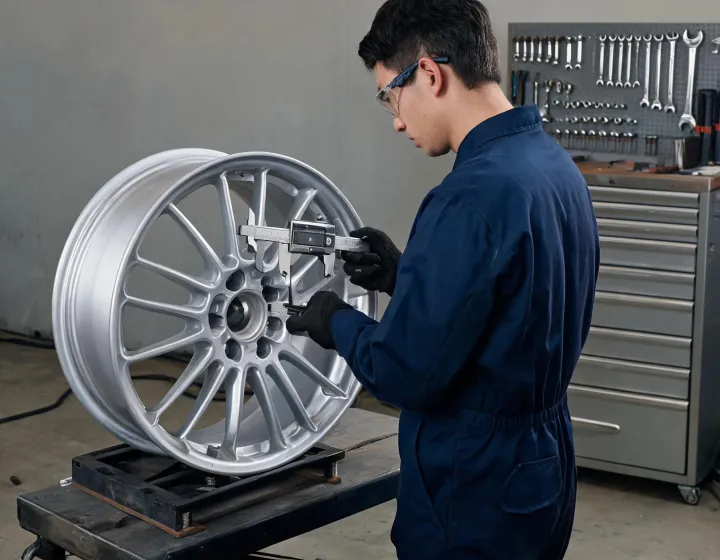

Share the vehicle, axle load and operating environment so the right questions can be reviewed.